 Last additions - TOKYO 東京都 Last additions - TOKYO 東京都 |

About Hoshoryu, from Mongolia.Dec 29, 2025
|
|
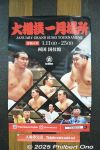
PR poster for the next sumo tournament in Jan. 2026 at the Kokugikan.Dec 28, 2025
|
|

Also displayed is this modern relief art showing exhibition sumo.Dec 28, 2025
|
|

Wood engraved with yokozuna names and sumo chronology.Dec 28, 2025
|
|
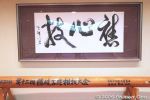
Basement hall with this framed motto.Dec 28, 2025
|
|

Left: Sumo Precept in haiku by Yokozuna Inazuma. Right: Unryu's yokozuna license and guarantor letter from sumo elder Tomozuna Ryosuke to enter the sumo stable.Dec 28, 2025
|
|

Lobby outside the exhibition hall had a TV monitor showing sumo.Dec 28, 2025
|
|

Referee Shikimori Inosuke and yobi-dashi Eiji. They are announcing the next day's bouts like they do today. Ukiyoe by Utagawa Toyokuni III in 1854.Dec 28, 2025
|
|
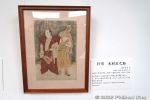
Referee Kimura Shonosuke and yobi-dashi wrestler announcer in 19th century. Ukiyoe by Katsukawa Shunsho in late 18th century.Dec 28, 2025
|
|

Edogasaki vs. Kimenzan with referee Shikimori Inosuke I dated 1784. By Katsukawa Shunsho.Dec 28, 2025
|
|
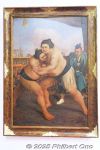
Famous bout in 1884 with Umegatani I vs. Odate. Painting by Yamamoto Hosui.Dec 28, 2025
|
|

Tryptich for three yokozuna, right to left: Hitachiyama (Innocence 天眞), Tachiyama (Mt. Fuji 富士山), and Umegatani (Full bloom 爛漫).Dec 28, 2025
|
|

Handprint by Raiden from late 18th century. With poetry by Ota Nanpo in 1814.Dec 28, 2025
|
|

Finished sumo bout and referee decision in the 9th to 11th centuries. Artist is Sumiyoshi Hiroyuki from the 18th–19th century. Dec 28, 2025
|
|

Ukiyoe portraits of Raiden from late 18th century to early 19th century. Legendary 254 wins and 10 losses. Left portrait in a kimono is by Katsukawa Shunei. The right portrait shows his kasha-mawashi with his name on it. By Katsukawa Shuntei. Dec 28, 2025
|
|

Inazuma (West) vs. Onomatsu (East) with referee Kimura Shonosuke in 1820s-30s. Ukiyoe print by Utagawa Toyokuni III in 1830s.Dec 28, 2025
|
|

Rikishi wearing a kesho-mawashi apron. By Suzuki Shonen from late 19th century or early 20th century.Dec 28, 2025
|
|
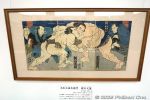
Wani-ishi vs. Shiranui. Ukiyoe print by Utagawa Toyokuni III in 1840s.Dec 28, 2025
|
|
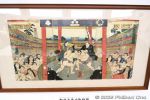
Exhibition sumo tournament at Ekoin Temple in Ryogoku with Shiranui vs. Jinmaku (11th and 12th yokozuna). Ukiyoe print by Utagawa Yoshikazu in 1858.Dec 28, 2025
|
|
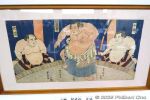
Yokozuna Onomatsu doing dohyo-iri in 1789. His practice of having a sword bearer and dew sweeper started with him. Ukiyoe print by Utagawa Toyokuni II in 1833.Dec 28, 2025
|
|

Edo Period ring-entering ceremony by the East rikishi. Interesting that they also did the shiko leg stomping during the ceremony. Not done in today's dohyo-iri. Ukiyoe print by Utagawa Toyokuni III in 1845.Wrestler names also indicated.Dec 28, 2025
|
|

Painting of U.S. President Teddy Roosevelt receiving a golden sword from Hitachiyama on September 28, 1907. Hitachiyama traveled to Europe and America in 1907–1908 to promote sumo.In return, Hitachiyama received an autographed photo from the president. Also, Hitachiyama held his dohyo-iri ring-entering ceremony at the White House on Nov. 11, 1907.Dec 28, 2025
|
|

Painting of Ryogoku Kokugikan built in 1909. Painting by Waraya Kojin in 1978.Dec 28, 2025
|
|
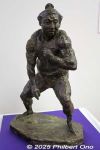
Small sculpture of Wakanohana I, 1959.Dec 28, 2025
|
|

Small sculpture of Tochinishiki, 1961Dec 28, 2025
|
|

On the left, a referee fixes a wrestler's mawashi belt (19th century). On the right, finished sumo bout and referee decision in the 9th to 11th centuries. Artist is Sumiyoshi Hiroyuki from the 18th–19th century. Dec 28, 2025
|
|
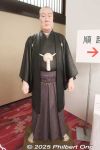
Life-size sculpture of retired Tsunenohana (Dewanoumi) (1872–1979), yokozuna in 1957-59 by Hirakushi Denchu. Both Tsunenohana and Hirakushi were natives of Okayama.Dec 28, 2025
|
|

Large painting depicting sumo at the Imperial Court in front of the emperor in the 9th to 11th centuries. Dated around 1813. The emperor is watching from the screened room.Dec 28, 2025
|
|
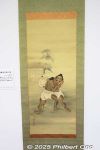
Nomi no Sukune and Taima no Kehaya wrestling at a shrine, 1885. Based on a legend from 23 B.C.when the emperor ordered Sukune to fight Taima no Kehaya to the death. Sukune succeeded. Before sumo was created, there was a form of wrestling.野見 宿禰 vs. 当麻蹴速Dec 28, 2025
|
|
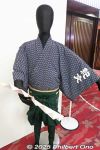
Tate-yobidashi wrestler name announcer's wardrobe and fan.Dec 28, 2025
|
|

The exhibition included sumo artwork in diverse forms such as scroll paintings, ukiyoe woodblock prints, and sculpture.Dec 28, 2025
|
|

Tokoyama hairdresser tools from 1961.Dec 28, 2025
|
|

Small taiko drum used by Futabayama (Tokitsukaze) and affiliate sumo stables at sumo exhibition tours. Used from the Edo Period until 1957. On the right are wooden clappers used by tate-yobidashi wrestler name announcer Kankichi from the 1990s. Dec 28, 2025
|
|

Referee 19th Shikimori Inosuke's gunbai fan .Dec 28, 2025
|
|

17th Kimura Shonosuke referee's fan from 1900.Dec 28, 2025
|
|

Referee 1st Shikimori Inosuke's gunbai fan .Dec 28, 2025
|
|

Kimura Shonosuke referee's fan since 1836.Dec 28, 2025
|
|

Referee Shikimori Inosuke's gunbai fan and case from the 18th century.Dec 28, 2025
|
|
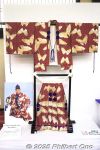
One section was dedicated to sumo referees. This is 27th Kimura Shonosuke referee costume from 1967.Dec 28, 2025
|
|

Raiden's haori from the 19th century.Dec 28, 2025
|
|
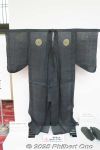
Tanikaze's summer garment.Dec 28, 2025
|
|
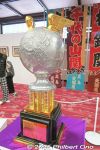
Pan Am trophy. Pan Am employee David Jones used to always give the award with his accented trademark announcement, "Hyoshojo!"Dec 28, 2025
|
|

Pan Am trophy.Dec 28, 2025
|
|
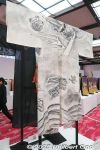
Somenuki yukata belonging to Kitanoumi. Dragon design in sumi ink.Dec 28, 2025
|
|
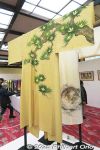
Yukata belonging to Dec 28, 2025
|
|

Somenuki yukata belonging to Terunofuji.Dec 28, 2025
|
|
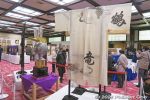
Somenuki yukata belonging to Kakuryu. Next to the Pan Am trophy.Dec 28, 2025
|
|

Hitachiyama's hat, cane, and case from 1907. His real name was T. Ichige.Dec 28, 2025
|
|

Banners with yokozuna names Wakanohana, Chiyonoyama, and Tochinishiki.Dec 28, 2025
|
|

Futabayama's mini trophies.Dec 28, 2025
|
|

Futabayama's mini Emperor's Cups.Dec 28, 2025
|
|
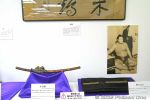
Sword used by Futabayama's sword bearer during the ring-entering ceremony from 1937-45. Also, the mawashi silk belt used by Futabayama. Photo of him included.Above is Futabayama's framed motto: Wooden Rooster (Mokkei 木鶏)Dec 28, 2025
|
|

This was not part of the exhibition, but this is a red Kanreki tsuna for Chiyonofuji and his sword bearer and dew sweeper. Displayed at Yokozuna Chiyonoyama & Chiyonofuji Memorial Hall in Hokkaido (横綱千代の山・千代の富士記念館)See more photos of Yokozuna Chiyonoyama & Chiyonofuji Memorial Hall here: https://photoguide.jp/pix/thumbnails.php?album=1158Dec 28, 2025
|
|
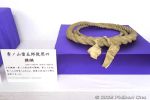
Closeup of Hidenoyama's tsuna from 1845-1850.Dec 28, 2025
|
|

Hidenoyama's tsuna from 1845-1850. Upper right is a ukiyoe portrait of Hidenoyama, 9th yokozuna.Dec 28, 2025
|
|

Inazuma's tsuna from the 1830s. Even the zig-zag paper still remains. He was the 7th yokozuna. Only 1 kg.Dec 28, 2025
|
|
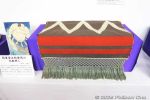
Inazuma's apron from the 1828.Dec 28, 2025
|
|

Onosato's tsuna.Dec 28, 2025
|
|

Dec 28, 2025
|
|

Dec 28, 2025
|
|
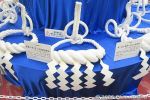
Dec 28, 2025
|
|

Takanosato's tsuna from 1983–1986.Dec 28, 2025
|
|

Hakuho's tsuna from 2007–2009. 9.7 kgDec 28, 2025
|
|
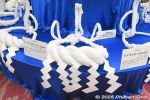
Terunofuji's tsuna.Dec 28, 2025
|
|
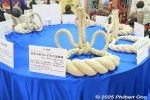
Haguroyama's tsuna, Shiranui style from the 1940s. 6.3 kgDec 28, 2025
|
|
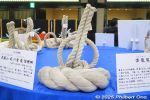
Musashiyama's tsuna from the 1930s. 4.7 kgDec 28, 2025
|
|

Futabayama's tsuna from 1937–1945. 5.2 kgDec 28, 2025
|
|

All done.Dec 28, 2025
|
|

Tochinishiki's tsuna from 1954-1960.Dec 28, 2025
|
|

Tying the rope. The rope has a stiff wire inside so the back loop can maintain its shape.Dec 28, 2025
|
|

Pulling the belt tight...Dec 28, 2025
|
|

Dec 28, 2025
|
|
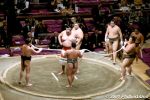
Akebono putting on his rope belt.Dec 28, 2025
|
|
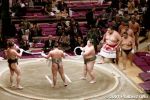
Dec 28, 2025
|
|
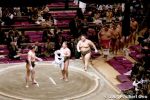
Demonstration of how they put on the tsuna rope belt on the yokozuna. It requires several assistants.Dec 28, 2025
|
|

Wakanohana III (Masaru) rope belt. 4.9 kg.Dec 28, 2025
|
|
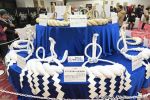
Now notice the difference in rope belt styles. The upper tier shows older rope belts. Most of them have yellowed, and they are significantly smaller than the modern tsuna belts below.The rope belt on the lower right belongs to Hoshoryu. Unryu style weighing 8.6 kg. The rope belt on the lower left belonged to Terunofuji, 9.5 kg. Shiranui style.Dec 28, 2025
|
|

Shiranui-style tsuna rope belt with two loops on the back. (Terunofuji)Dec 28, 2025
|
|

Unryu-style tsuna rope belt with only one loop on the back. (Akebono)Dec 28, 2025
|
|

Shiranui-style tsuna rope belt with two loops on the back (Terunofuji). The rope belt has a stiff copper wire inside so the belt can be shaped. into loops.Dec 28, 2025
|
|
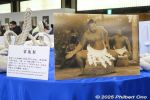
One style is Unryu (雲龍) with the yokozuna during the ring-entering ceremony rising with one hand on his hip and the other outstretched. Also, his tsuna rope belt has only one loop on the back. Dec 28, 2025
|
|

The other style is called Shiranui (不知火) where the yokozuna during the ring-entering ceremony rises with both hands outstretched. The tsuna rope belt also has two loops on the back.Dec 28, 2025
|
|

Yokozuna tsuna rope belts, old and recent.Dec 28, 2025
|
|

When looking at yokozuna rope belts, you may notice two different types. They are based on the yokozuna's dohyo-iri ring-entering ceremony style. Dec 28, 2025
|
|
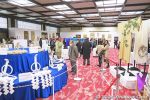
Yokozuna tsuna rope belts, old and recent.Dec 28, 2025
|
|
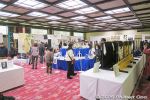
In the middle of the room was a circular display of Yokozuna tsuna rope belts, old and recent.Dec 28, 2025
|
|

Dec 28, 2025
|
|

Dec 28, 2025
|
|

Dec 28, 2025
|
|

Dec 28, 2025
|
|

Terunofuji - The last Mongolian yokozuna. This was the apron set Terunofuji used for his last dohyo-iri at his retirement ceremony on Jan. 31, 2026 at the Kokugikan.Dec 28, 2025
|
|

About Wakanohana III, brother of Takanohana II.Dec 28, 2025
|
|

Wakanohana IIIDec 28, 2025
|
|

Wakanohana III, brother of Takanohana IIDec 28, 2025
|
|
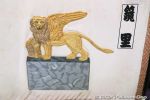
Kagamisato - Designed after the Golden Lion award at Venice Film Festival in 1958. One of the most prestigious film awards.Dec 28, 2025
|
|
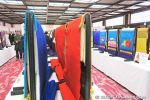
Dec 28, 2025
|
|

Kagamisato - Designed after the Golden Lion award at Venice Film Festival in 1958. Dec 28, 2025
|
|

About YoshibayamaDec 28, 2025
|
|

Yoshibayama - Designed after the Golden Lion award at Venice Film Festival in 1958. The winning film was "The Rickshaw Man" (無法松の一生) starring Mifune Toshiro.Dec 28, 2025
|
|
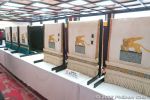
Yoshibayama and Kagamisato both had the same apron design because the same donor company (movie maker Toho) made the aprons to commemorate winning the Golden Lion award at Venice Film Festival in 1958.Dec 28, 2025
|
|

About Tochinishiki. He was the Japan Sumo Association Chairman in the 1980s as Kasugano.Dec 28, 2025
|
|

TochinishikiDec 28, 2025
|
|
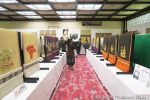
Kesho-mawashi on display. No touching.Dec 28, 2025
|
|

MienoumiDec 28, 2025
|
|

TamanoumiDec 28, 2025
|
|

About KotozakuraDec 28, 2025
|
|
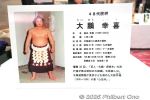
About TaihoDec 28, 2025
|
|

Taiho, one of the greatest yokozuna ever. Living legend until he died. The aprons has three kanji for 心技体 (Shingitai) which is like the main motto for sumo. Means heart/mind, sumo technique, and physical body.Dec 28, 2025
|
|

About KashiwadoDec 28, 2025
|
|

Kashiwado, Taiho's rival until the 1960s.Dec 28, 2025
|
|
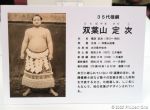
About FutabayamaDec 28, 2025
|
|

Futabayama - Futaba means two leaves, so the design has two leaves.Dec 28, 2025
|
|

Tochigiyama - DragonDec 28, 2025
|
|

Tochigiyama - TigerDec 28, 2025
|
|

Tochigiyama - Three fan shaped plates engraved with a different design with tigers and a dragon.Dec 28, 2025
|
|
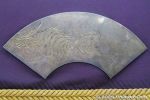
Tochigiyama - TigerDec 28, 2025
|
|
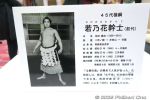
About Wakanohana I (There's also Wakanohana II and III)Dec 28, 2025
|
|
Wakanohana IDec 28, 2025
|
|

Wakanohana I - 3D designDec 28, 2025
|
|

Wakanohana IDec 28, 2025
|
|
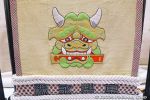
Wakanohana I - Oni ogreDec 28, 2025
|
|
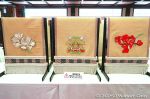
Wakanohana IDec 28, 2025
|
|
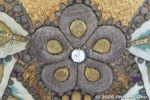
Hitachiyama - Imitation diamond. It was originally a three-carat diamond.Dec 28, 2025
|
|

Hitachiyama - Laurel Tree Leaves (月桂樹)Dec 28, 2025
|
|

HitachiyamaDec 28, 2025
|
|
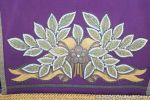
Hitachiyama - Imitation gems.Dec 28, 2025
|
|

Hitachiyama - Laurel Tree Leaves (月桂樹)Dec 28, 2025
|
|
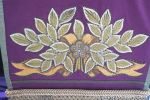
Hitachiyama - Laurel Tree Leaves (月桂樹) encrusted with jewels such as pearls and rubies.Dec 28, 2025
|
|
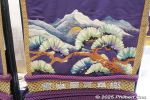
MaedayamaDec 28, 2025
|
|
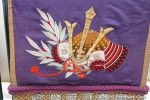
Maedayama - Kabuto samurai helmetDec 28, 2025
|
|

MaedayamaDec 28, 2025
|
|

MaedayamaDec 28, 2025
|
|
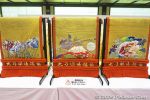
OnokuniDec 28, 2025
|
|
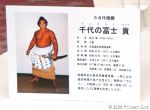
About ChiyonofujiDec 28, 2025
|
|

Chiyonofuji - One of the greatest, most beloved, and admired yokozuna of all time. The number "53" refers to his record-breaking 53 consecutive wins.Dec 28, 2025
|
|

About ChiyonoyamaDec 28, 2025
|
|
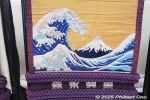
Chiyonoyama - Wave Off Kanagawa by Hokusai Dec 28, 2025
|
|
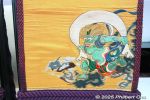
Chiyonoyama - Dec 28, 2025
|
|
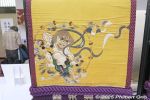
Chiyonoyama Dec 28, 2025
|
|
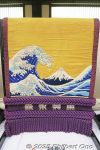
Chiyonoyama - Wave Off Kanagawa by Hokusai Dec 28, 2025
|
|
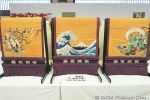
Chiyonoyama who started Kokonoe Stable producing Chiyonofuji.Dec 28, 2025
|
|

About Sadanoyama Dec 28, 2025
|
|
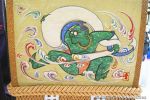
Sadanoyama - Dec 28, 2025
|
|

Sadanoyama - Fujin Wind God (風神)Dec 28, 2025
|
|

Sadanoyama - Dec 28, 2025
|
|

Sadanoyama - Three mythical gods - Fujin (風神) Wind God and Raijin (雷神) Thunder God, based on a painting by Maeda Seison.Dec 28, 2025
|
|
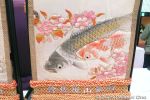
Haguroyama - Koi fishDec 28, 2025
|
|

Haguroyama - Koi carp going up the waterfall based on an old legend.Dec 28, 2025
|
|

HaguroyamaDec 28, 2025
|
|
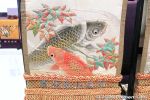
Haguroyama - Koi fishDec 28, 2025
|
|
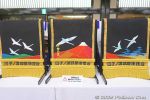
KisenosatoDec 28, 2025
|
|
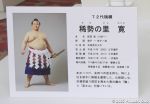
About KisenosatoDec 28, 2025
|
|

Kitanofuji - Crane closeupDec 28, 2025
|
|

About Kitanofuji Dec 28, 2025
|
|

Kitanofuji, his post-wrestler career as a stablemaster and TV commentator was well noted.Dec 28, 2025
|
|

Kitanofuji - CraneDec 28, 2025
|
|
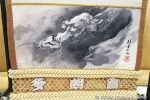
Asashio - Dragon in sumi ink.Dec 28, 2025
|
|

About AsashioDec 28, 2025
|
|
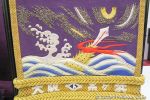
Tochinoumi - Waves/ocean is a popular design element.Dec 28, 2025
|
|
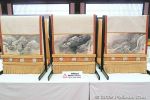
Asashio, sumi ink painting of a dragon.Dec 28, 2025
|
|
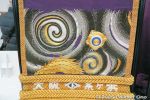
TochinoumiDec 28, 2025
|
|

Tochinoumi - Dragon is a popular design element.Dec 28, 2025
|
|
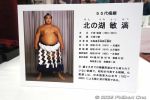
About KitanoumiDec 28, 2025
|
|

TochinoumiDec 28, 2025
|
|
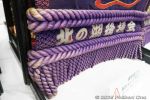
Kitanoumi with faded edges.Dec 28, 2025
|
|

KitanoumiDec 28, 2025
|
|

Kitanoumi, one of the greatest yokozuna of all time.Dec 28, 2025
|
|

Kakuryu means crane and dragon, hence the apron design.Dec 28, 2025
|
|

KakuryuDec 28, 2025
|
|

Asahifuji, things from his native Aomori. Scallops, Mt. Iwaki-san, and apples.Dec 28, 2025
|
|
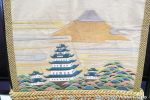
Musashiyama, Mt. Fuji and a castle.Dec 28, 2025
|
|
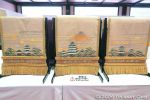
Musashiyama, Mt. Fuji and a castle.Dec 28, 2025
|
|
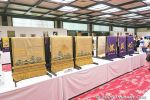
MusashiyamaDec 28, 2025
|
|

Wakanohana II, Nagoya Castle with golden shachi.Dec 28, 2025
|
|

Futahaguro - Futamigaura Wedded Rocks in Mie.Dec 28, 2025
|
|

Futahaguro - Ise Jingu shrine in Mie.Dec 28, 2025
|
|

Futahaguro is from Mie Prefecture, hence the Mie scenery.Dec 28, 2025
|
|

Futahaguro - Futamigaura Wedded Rocks in Mie.Dec 28, 2025
|
|

TakanosatoDec 28, 2025
|
|
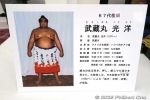
About MusashimaruDec 28, 2025
|
|

MusashimaruDec 28, 2025
|
|

Musashimaru from Hawaii. The image theme left to right is "Ocean Light," Brilliance," and "Wave Sounds" (海光・光輝・波響). Artist was Senju Hiroshi (千住博).When current Yokozuna Hoshoryu was promoted, he borrowed this set of aprons to perform his dohyo-iri at Meiji Shrine.Dec 28, 2025
|
|
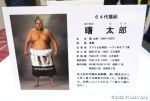
About AkebonoDec 28, 2025
|
|
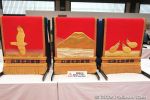
Akebono's aprons are based on a Japanese proverb about excellence. 一富士二鷹三茄子Dec 28, 2025
|
|

About HokutoumiDec 28, 2025
|
|

Akebono from Hawaii, and the first non-Japanese yokozuna.Dec 28, 2025
|
|

Hokutoumi, who is the current Sumo Association Chairman.Dec 28, 2025
|
|

Dec 28, 2025
|
|

Dec 28, 2025
|
|

Naruto whirlpoolDec 28, 2025
|
|
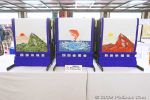
Hoshoryu's aprons showed Shikoku scenery.Dec 28, 2025
|
|

Dec 28, 2025
|
|

Next to Onosato was Hoshoryu's aprons.Dec 28, 2025
|
|

About OnosatoDec 28, 2025
|
|

OnosatoDec 28, 2025
|
|
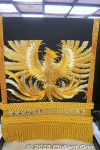
OnosatoDec 28, 2025
|
|

Onosato's aprons has silver and gold phoenix.Dec 28, 2025
|
|
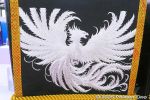
OnosatoDec 28, 2025
|
|
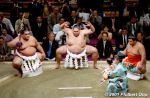
Yokozuna dohyo-iri ring-entering ceremony by Akebono at his retirement ceremony at the Kokugikan in 2001. Yokozuna Musashimaru is the sword bearer on the left, and Ozeki Musoyama is the dew sweeper on the right.Dec 28, 2025
|
|

A yokozuna uses a matching set of three kesho-mawashi aprons for his dohyo-iri ring-entering ceremony. He wears the middle one, while his sword bearer and dew sweeper wears another in the same set.Dec 28, 2025
|
|
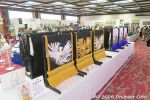
A set of three kesho-mawashi aprons for many yokozuna were displayed. Very beautiful and impressive collection even from the 19th century.Dec 28, 2025
|
|
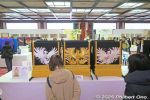
Front and center were the aprons for the current yokozuna, Onosato and Hoshoryu. This set is for Onosato. The aprons are usually made and donated by a company, supporter's group, or other organization.Dec 28, 2025
|
|
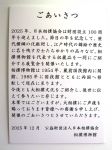
Message from the sumo association.Dec 28, 2025
|
|

Exhibition entrance.Dec 28, 2025
|
|
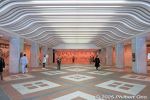
Kokugikan entrance hall. Go straight and turn right. The exhibition room was downstairs in the banquet room (Ohiroma).Dec 28, 2025
|
|

100th anniversary exhibition signboard.Dec 28, 2025
|
|

As part of the Japan Sumo Association's celebration of its 100th anniversary of its founding, it held a large exhibition of yokozuna kesho-mawashi ceremonial aprons and tsuna rope belts. Most items were from the Sumo Museum's collection. The exhibition was held on December 24 and 25, 2025 at Kokugikan Sumo Arena in Ryogoku, Tokyo. Free admission.Dec 28, 2025
|
|
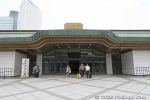
Entrance to Kokugikan.Dec 28, 2025
|
|

Toshimaen Station on the Seibu Ikebukuro Line.Nov 16, 2023
|
|
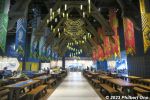
Food Hall (with floating candles) for British food near the studio entrance.Nov 16, 2023
|
|
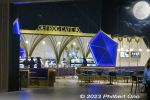
Frog Cafe (coffee and confections) near the studio entrance.Nov 16, 2023
|
|
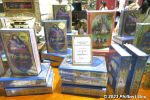
Japanese versions of Harry Potter novels.Nov 16, 2023
|
|
Chocolate frogs are among the many edibles in the Studio Shop.Nov 16, 2023
|
|
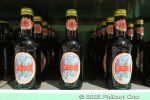
Bottled “Tokyo Special” butterbeer (¥1,000).Nov 16, 2023
|
|
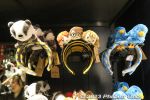
Nov 16, 2023
|
|
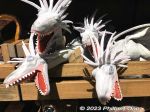
DragonsNov 16, 2023
|
|
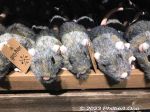
Mice, food for owls.Nov 16, 2023
|
|
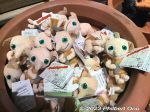
Dobby the beloved elf.Nov 16, 2023
|
|
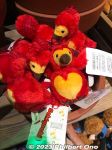
Fawkes the phoenixNov 16, 2023
|
|
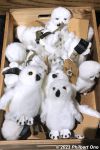
Hedwig (Harry’s owl)Nov 16, 2023
|
|
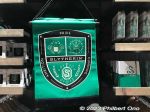
Nov 16, 2023
|
|
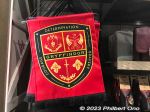
Nov 16, 2023
|
|
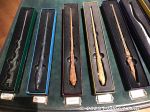
You can also engrave your name on the wand. When I was there, the Slytherin wand was sold out.Nov 16, 2023
|
|

Wands and more wands. Buy the wand of your favorite wizard or witch for ¥4,600.Nov 16, 2023
|
|
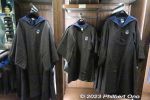
Hogwarts robes.Nov 16, 2023
|
|
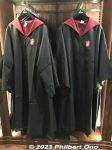
Hogwarts robes.Nov 16, 2023
|
|
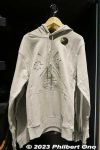
Tokyo hoodie.Nov 16, 2023
|
|
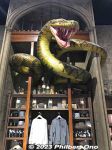
Studio Shop rooms guarded by Voldemort’s snake Nagini.Nov 16, 2023
|
|
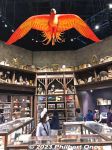
Studio Shop rooms guarded by Fawkes the phoenix.Nov 16, 2023
|
|
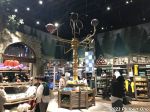
Some items are Tokyo exclusive, available only here. You still need to buy studio tour tickets to enter the gift shop. You have a choice of 7,000+ products.Nov 16, 2023
|
|
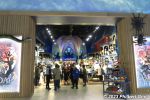
Enhance to Studio Shop, the world’s largest Harry Potter gift shop. Nov 16, 2023
|
|
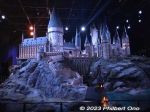
Hogwarts Castle (scale model) in night illumination.Nov 16, 2023
|
|
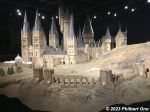
Looks different from different angles. Architecture was inspired by Oxford and Cambridge Universities, Durham Cathedral, and Alnwick Castle.Nov 16, 2023
|
|
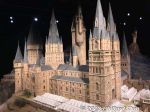
Hogwarts Castle model in daylight illumination.Nov 16, 2023
|
|
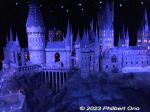
The studio tour ends with a large, replicated scale model of Hogwarts Castle with alternating night and day illuminations.Nov 16, 2023
|
|
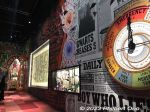
Typefaces.Nov 16, 2023
|
|
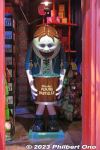
Nov 16, 2023
|
|
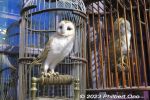
Owls for sale at Diagon Alley.Nov 16, 2023
|
|
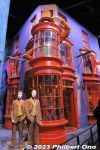
The shops are just a facade, and we cannot enter any of them.Nov 16, 2023
|
|
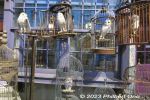
Owls for sale at Diagon Alley.Nov 16, 2023
|
|
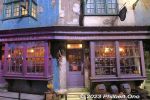
Nov 16, 2023
|
|
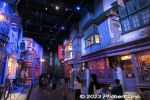
Diagon Alley facades.Nov 16, 2023
|
|
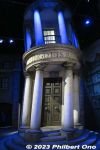
Gringotts Bank (with goblin workers) has a facade, but we cannot enter it like at the Harry Potter London studio which has a full-size replica of the bank’s interior.Nov 16, 2023
|
|
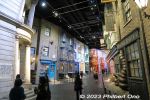
Diagon Alley (ダイアゴン横丁)Nov 16, 2023
|
|

Broomstick flying experience. It looks like a ride, but the broomstick is just a stationary prop you sit on and be filmed in a green screen booth. They charge ¥3,500 to download the broomstick video (without watermarks)..The staff tells you when to sway left or right, when to wave, when to reach out your hand to catch the Golden Snitch, etc. The resulting 70-sec. video shows you flying fast on a broomstick amid different background scenery like city streets, Quidditch field, and Hogwarts Castle. Nov 16, 2023
|
|
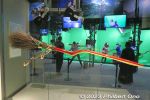
For the movie actors, the broomsticks were custom-designed and fitted for each person. The stick was a solid metal pole strong enough to support the actor sitting on it in front of green screens.Nov 16, 2023
|
|
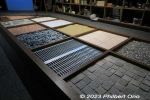
Sound effects.Nov 16, 2023
|
|
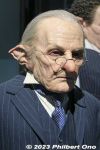
Realistic makeup on a Gringotts Bank teller goblin.Nov 16, 2023
|
|
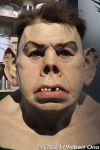
Hagrid’s giant half-brother, Grawp.Nov 16, 2023
|
|
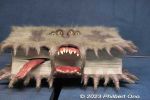
The hilarious and finger-biting Monster Book of Monsters.Nov 16, 2023
|
|
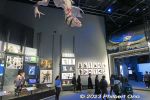
Nov 16, 2023
|
|
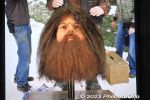
Robotic Hagrid's head. The eyes blink realistically.Nov 16, 2023
|
|
| 18082 files on 72 page(s) |
1 |
 |
|
|
|
|
